.webp)
When temperatures drop, many homeowners assume lawn projects must wait until spring. One of the most common questions we hear at Texas Sod Pros is: can you lay sod in the winter?
The short answer is yes, but there are important factors to understand. Winter sodding works differently than spring or summer installation, especially in Texas. In this guide, we’ll break down what happens when installing sod in the winter, how grass behaves in cold weather, and whether it’s the right move for your lawn.
Yes, you can lay sod in the winter, particularly in milder climates like North Texas. However, success depends on soil temperature, grass type, and proper care.
While grass growth slows significantly in colder months, sod can still establish roots under the right conditions. Many homeowners are surprised to learn that sod installation in winter can actually offer certain advantages.
Cold air temperatures don’t automatically prevent sod installation. The real determining factor is soil temperature. Grass roots grow best when soil temperatures remain above 50°F.
If the ground is not frozen and soil temperatures are moderate, you can lay sod even in cool conditions. That’s why you can lay sod in cold weather is not a simple yes-or-no answer, it depends on local conditions.
In North Texas, soil rarely freezes deeply, making winter installation possible in many cases.
For homeowners asking specifically, can you lay sod in the winter in Texas?, the answer is often yes.
Texas winters are typically mild compared to northern states. In Dallas-Fort Worth, winter sod can be installed if:
At Texas Sod Pros, we frequently assist homeowners with laying sod in winter Texas, especially when projects need to move forward before spring landscaping season.
Another common question: does sod grow in winter?
Most warm-season grasses (Bermuda, Zoysia, St. Augustine) go dormant when temperatures drop. That means top growth slows or stops entirely. However, root activity can still occur slowly if soil temperatures are adequate.
So while you may not see visible blade growth, roots can continue developing beneath the surface.
Yes, sod will root in winter is possible, but rooting occurs more slowly.
In winter:
Spring warmth will accelerate root development if sod is installed during winter dormancy.
Understanding these factors helps homeowners decide if installing sod in the winter fits their timeline.
Not all sod types behave the same in cold weather.
Yes, but Bermuda grass will likely be dormant. If you're asking can you lay Bermuda sod in the winter, the key is understanding that it will appear brown until spring.
Bermuda sod rooting time slows significantly in winter. However, once temperatures rise, Bermuda resumes aggressive growth.
Similarly, can you lay Zoysia sod in winter? Yes, but like Bermuda, it will be dormant in colder months.
The best time to lay Zoysia sod is typically late spring through early summer. Winter installation is possible but slower to establish.
For homeowners wondering if you can lay St. Augustine sod in winter, the answer depends on temperature. St. Augustine is slightly more sensitive to cold than Bermuda or Zoysia.
If severe freezes are expected, delaying installation may be safer.
While winter installation is possible, many homeowners ask: when is the best time to lay sod?
In Texas:
There isn’t one universal answer to the best month to lay sod, but in North Texas:
Winter installation is possible, but establishment takes longer.
Homeowners often ask, how late is too late to lay sod?
If soil is frozen or hard-packed due to deep frost, installation becomes difficult. In Texas, true ground freeze is rare, so sod can often be installed even in late fall or early winter.
However, if extended hard freezes are forecast, waiting may be wise.
Watering is very different during winter installation.
Watering new sod in winter requires balance. Overwatering can cause root rot because evaporation rates are lower.
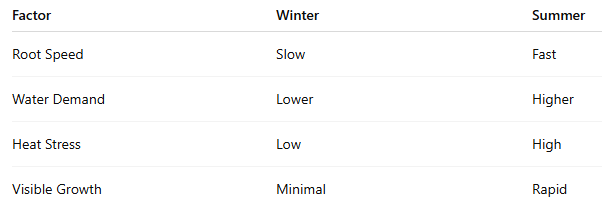
Both seasons can work, success depends on proper care.
Winter sod installation leaves less room for error. Proper soil prep, grading, and seam placement are even more critical.
Homeowners searching for guidance on sod installation in winter often benefit from experienced installers who understand local climate patterns.
At Texas Sod Pros, we carefully assess soil conditions before recommending winter installation.
Light frost typically does not damage dormant sod. However:
Monitoring weather forecasts is essential.
Winter sodding can be beneficial if:
For many North Texas homeowners, winter installation simply shifts the establishment timeline slightly later.
Yes, especially in mild climates like Texas, if soil is not frozen.
Yes, as long as soil temperatures remain workable and above freezing.
Rooting occurs slowly in winter but accelerates once temperatures rise.
Top growth slows or stops, but root development can continue gradually.
If the ground is frozen solid, installation should wait. In Texas, this is rare.
So, can you lay sod in the winter? Absolutely, especially in Texas. While rooting may take longer and visible growth may pause during dormancy, proper installation and care set your lawn up for success once spring arrives.
If you’re considering winter installation or unsure whether your conditions are suitable, Texas Sod Pros can evaluate your property and recommend the best timing for your lawn project.





.svg)
.svg)